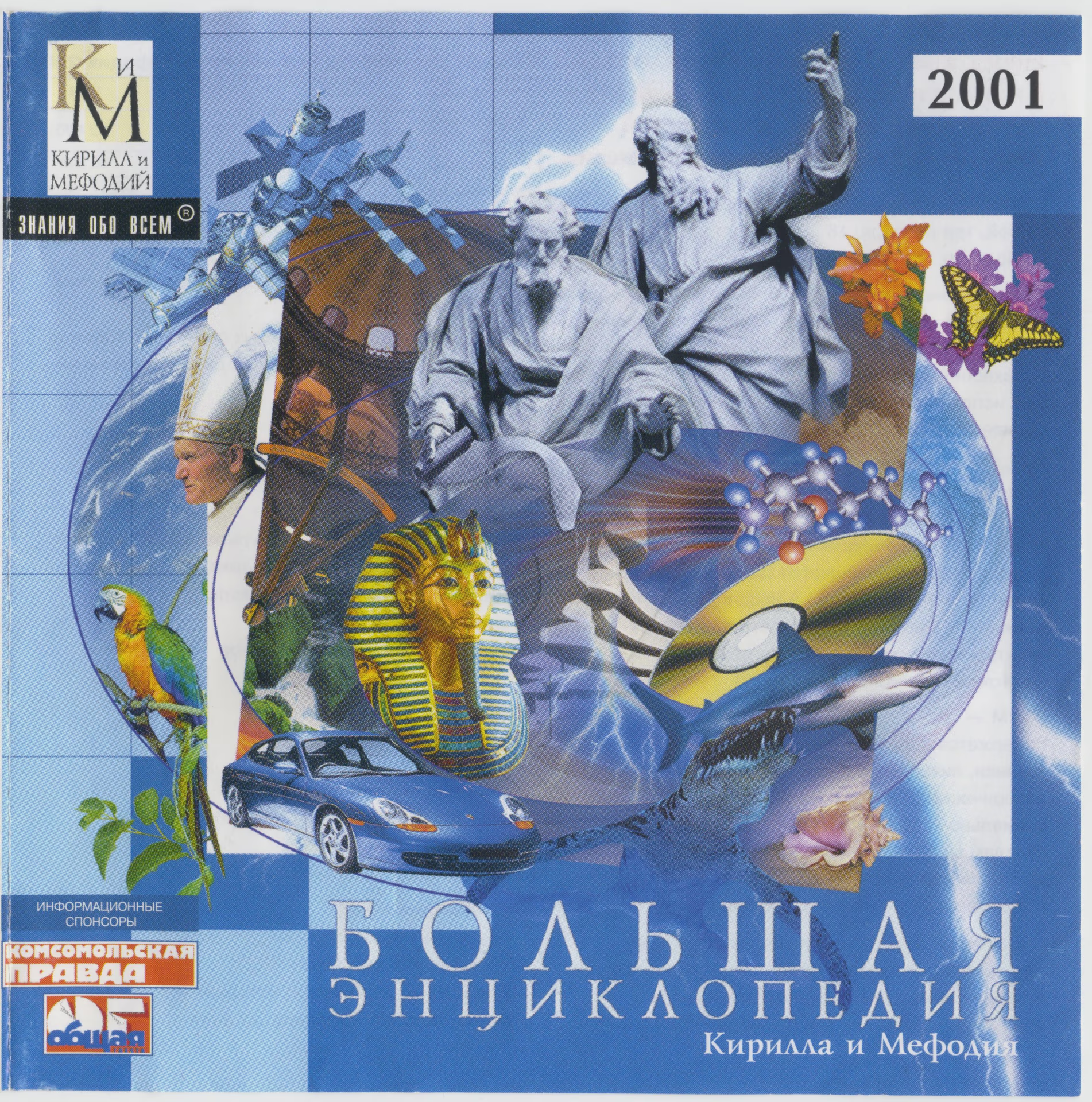
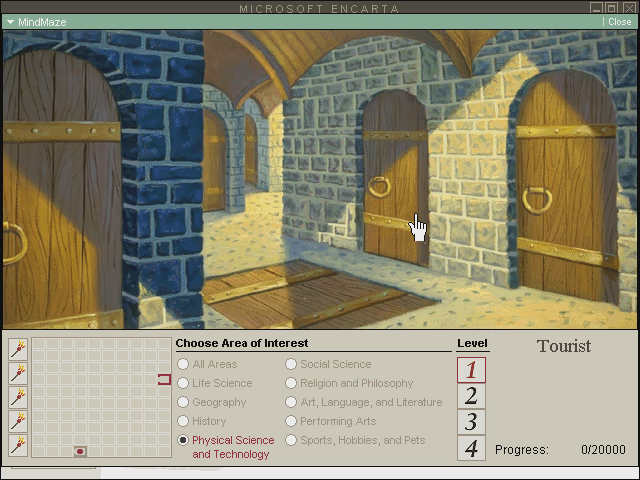
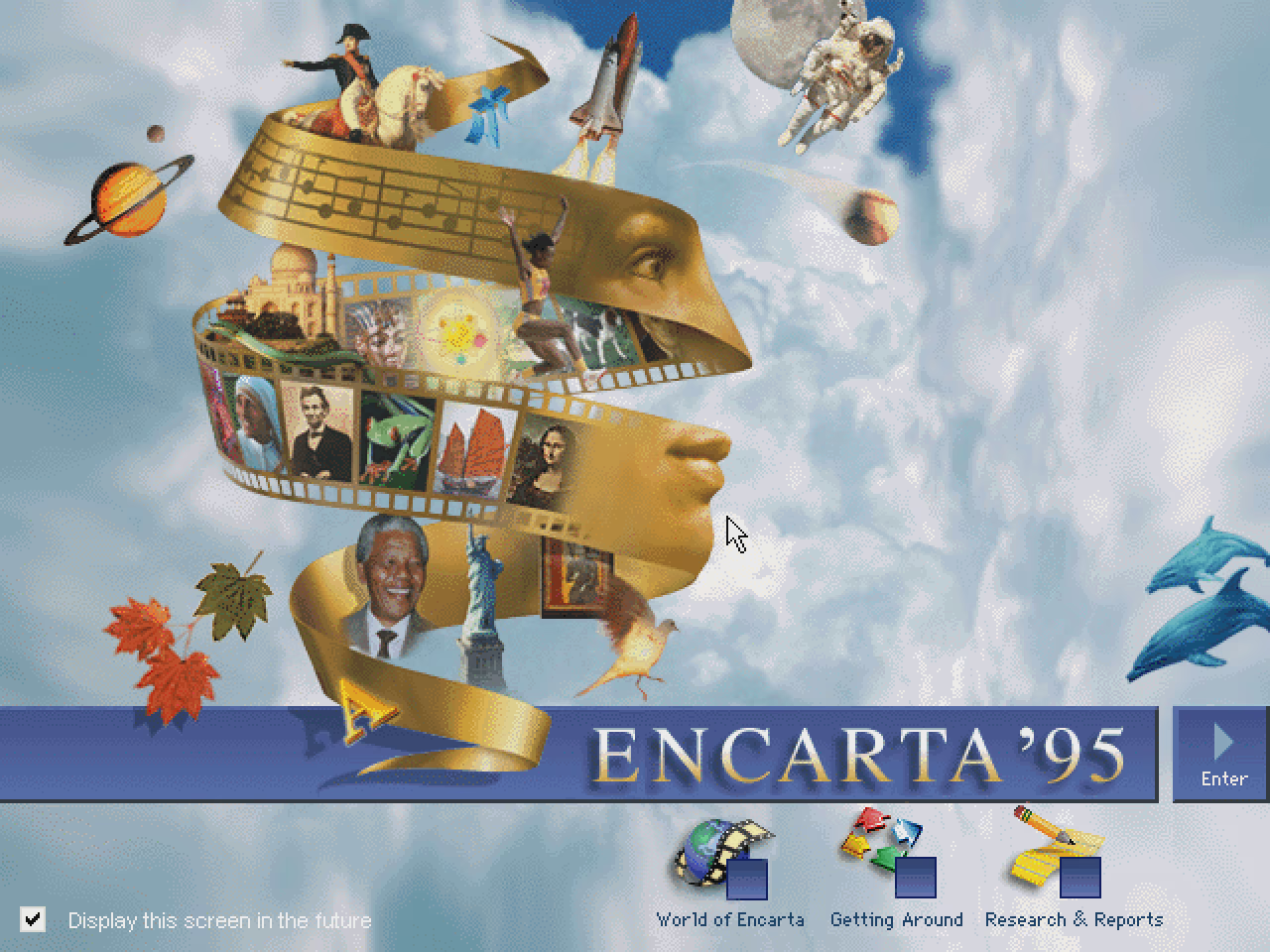
Unless you were largely cognisant during the late 90s, it's very hard to get across to you just _how_ bristling with positive energy computing was back then, just **look** at this opening screen, it screams "ARE YOU READY TO LEARN MOTHERF*CKER?!".
It has dolphins, in the clouds. How many smartphone apps welcome you with dolphins in clouds?
#vaporwave looked at the busts of Mozart and the dolphins in the clouds and thought that it meant “this is trippy” and not “universal shared hope”. This is a metaphor for how modern computing is all about looks with no actual meaning or message.
Help, my inbox! It's not SoundCloud, but I do have a book about an uncontacted tribe in a desert world within an hour-glass the size of Earth: https://camendesign.com/nomad
@Kroc As a kid the Utopian Scholastic aesthetic was so present everywhere and it really felt like we'd sort of come to the end of history and were looking back at it like we were in a museum.
I'm sure a lot of that was just childhood innocence but also I think there was just a lot more optimism for the future back then.
@dfstarshine I believe, in practice, that the style simply comes from digital-typesetting. It finally became possible to print books with full colour digital images anywhere in the page. That had been either prohibitively expensive or impossible in the past, and I think it lead directly to Utopian Scholastic’s design elements of disparate items combined together on the page. Education books no longer had to be boring and digital photo manipulation allowed designers to play with layout in a way they hadn’t been able to before with manual / photo-typesetting
@dfstarshine It’s understated just how big of a shift in such a short amount of time digital publishing was. People who had been working in print publishing for decades were used to linotypes and “paste ups” where, if they wanted text to flow around an image, they physically cut out lines of text and positioned them by hand.
To go from that to having a Mac, Aldus PageMaker, a CD of stock photography and a copy of Photoshop utterly changed the rules on what was possible and how much the designer could play with it. There was reason to be optimistic there.
@Kroc@dfstarshine And yet, my earliest website designs were wild and very creative, having no standard out there, we created sites that were more unique then. Now, though there are tools are infinitely better, websites are dull, filled with ads, poorly edited because of infinite scrolling, have little that isn’t some version of something you’ve already seen a million times. It’s boilerplate banality now. It occupies people’s time instead of engaging it.
It always fascinates me when someone points out how new iterations of technology removes shackles that everyone had sort of internalised as "that's just how it is".
See also: The concept of a glass teletype and how that changed the world of communications, or Image Recognition + Machine Learning, that has made it possible for researchers to use massive datasets consisting of millions of source images, instead of having to painstakingly digitize tens of images by hand.
@Kroc I was under the impression that vaporwave was at least partially a retrospective criticism of that universal shared hope. That the promise of 90s tech was always a lie, or a dream, and all that is left of it is the nostalgia for a future that will never be.
@pencilears@Kroc that just about sums up the optimistic hysteria of the era. who would write such an enthusiastic book, comparing microsoft to walt whitman, today? or even just a few years later?
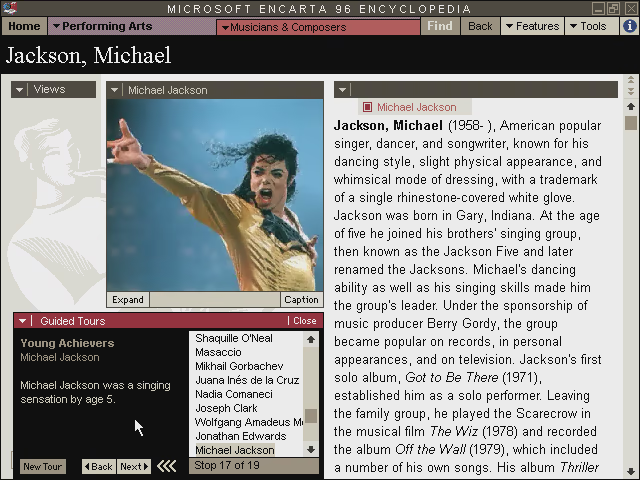
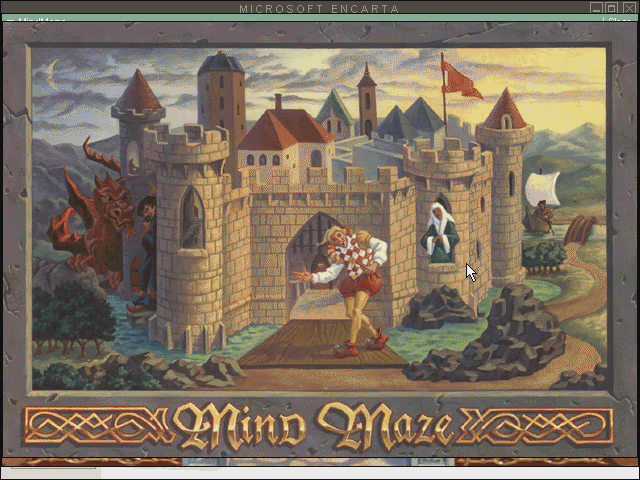
I must say I've always had a soft-spot (even back then, and even more today) on how the colouring was done to take most out of the 256-palet. It really is something special, isn't it?
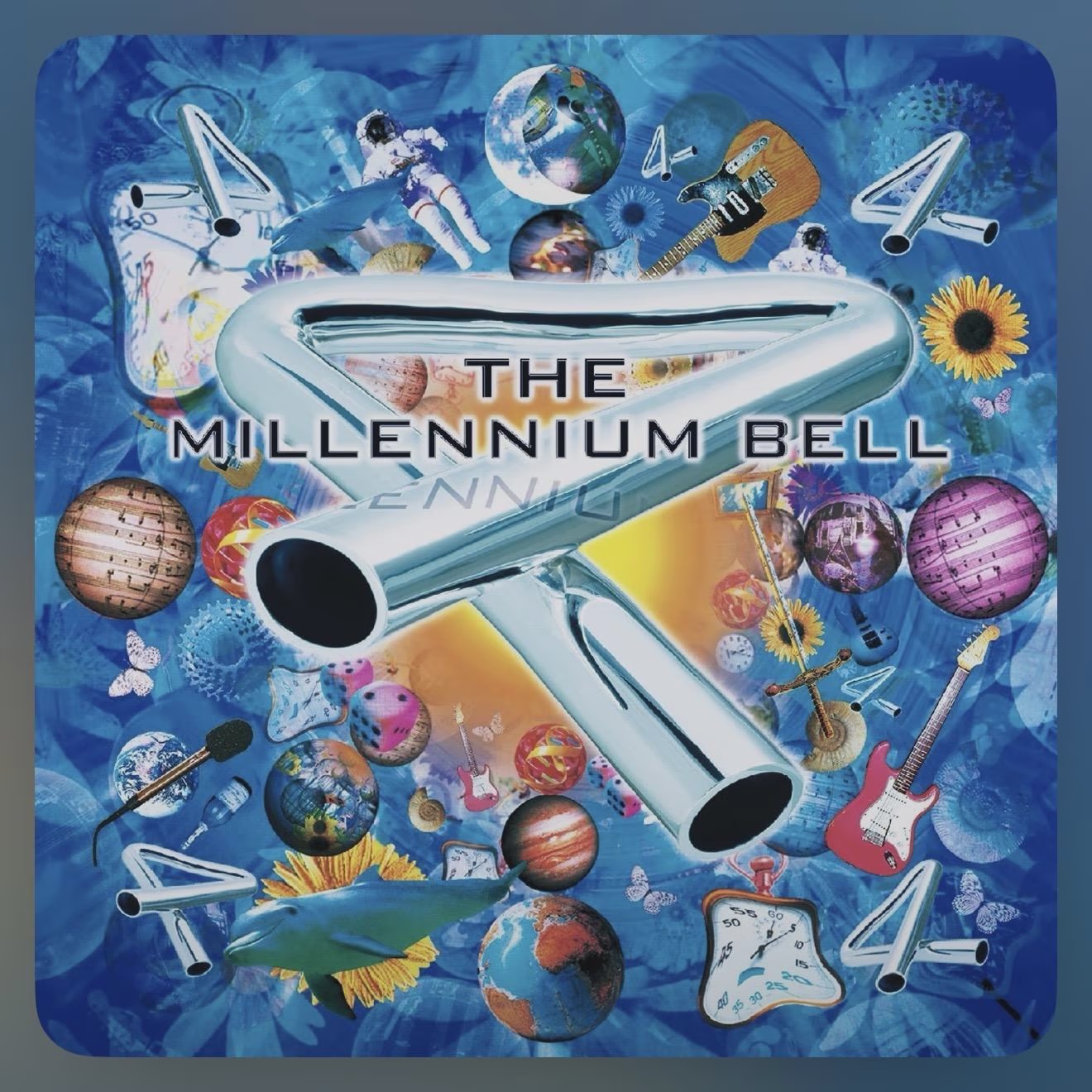
A surreal, cosmic‑themed album cover shows a large metallic tubular bell floating at the centre, with the words “THE MILLENNIUM BELL” written across it. Around the bell, a collage of colourful objects drifts in a bright blue, star‑speckled space: planets, butterflies, sunflowers, guitars, a microphone, a dolphin, an astronaut, and melting clocks reminiscent of Dalí. Spheres and abstract shapes float in the background.
@Sobtanian You can see hints of Y2K aesthetic in that, Frutiger Aero even, with the excess of shiny spheres there. Quite the caught-in-the-middle artefact that is
@Kroc@oldbytes.space funnily enough, my mom's first experience with how scammy the Internet would become was from a later encyclopedia on CD/DVD in the early 2000s. she bought me a copy of the electronic world book in like 2006 thinking it would be a one time purchase but they roped you into a subscription very sneakily
@Kroc i miss the early times of computing (and the internet!), full of curiosity, excitement, fun and possibilities. Before rich techbros MFs raped it to death.
@retronom There’s still endless awesome stuff happening — we’re just forced to share it in the same space as the worst people, people who are being signal boosted on purpose
@Kroc that's true but almost the whole infrastructure is corrupted and way beyond the point of "losing its innocence". Therefore places like the Fediverse are important! Content because of people, not because of content itself, because of scam, empowering the rich, making people hate each other, making more money, winning polls, spreading shit, making people addicted and sick... Give this sh*t back to the Nerds! 😃👾
@Kroc I was a Grolier Multimedia Encyclopedia kid, myself. But CD-Rom encyclopedias in the 90s were great! They sort of tapered off and got more boring in the 2000s, being largely replaced by the Internet even before Wikipedia got big. But man, what a time to be alive.
@Kroc used to just play and replay all the little music samples they had. can't forget this was before napster. free music? you could pick what you wanted? and just play on repeat? no one picks it for you and makes you also sit through commercials? crazy talk.
@Kroc computers used to be a magical land of wonder. I fondly remember the learning software from the late 90s and early 2000s. I spent countless hours with them as a kid.
Computers as a whole peaked with Windows 7 and it's been going downhill ever since.
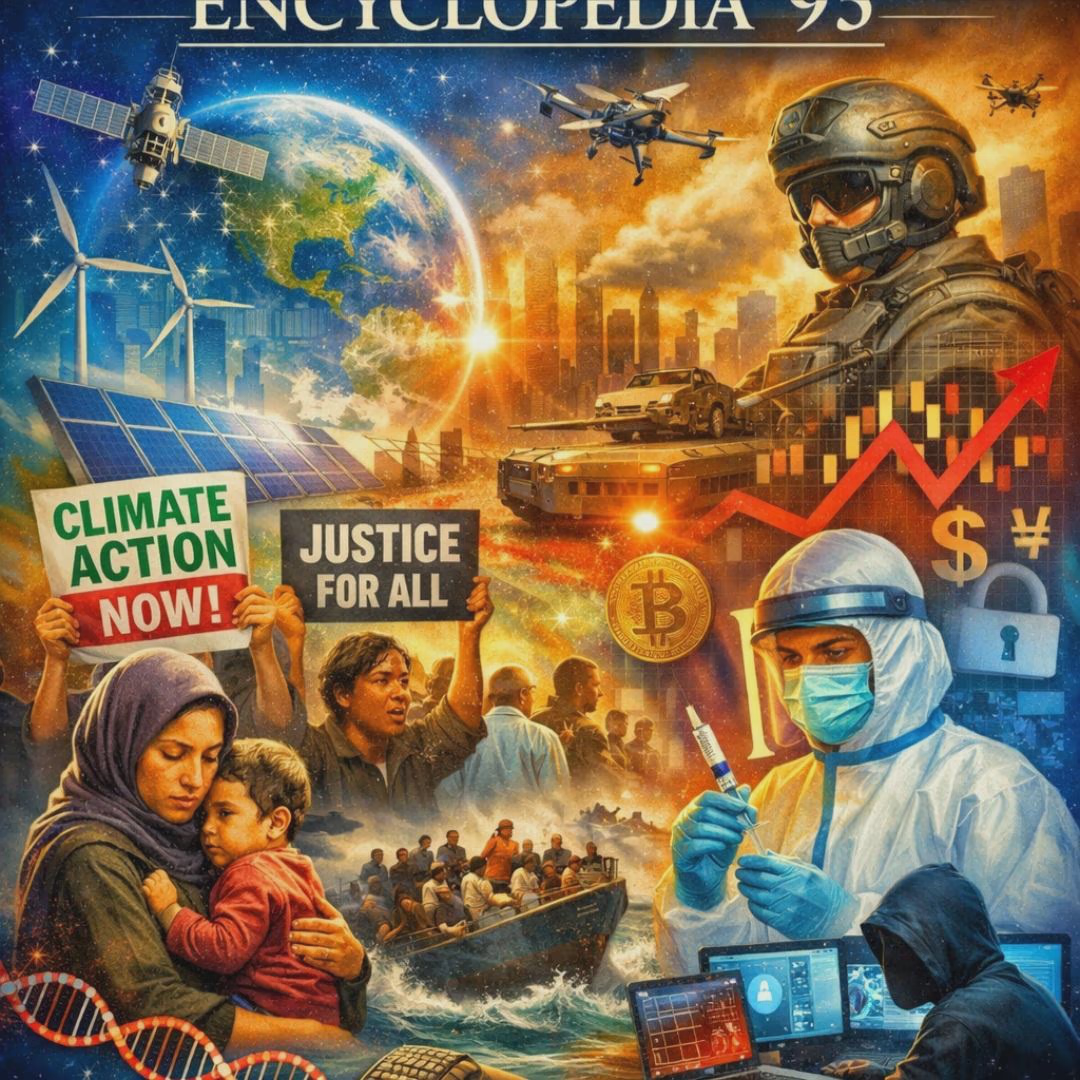
@Kroc I prompted CoPilot to generate a modern version with "modern issues and subject matters" and this is what I got. Fairly dystopian, including the Mad-Max-tank-mobíl, that seems to have snuck in. Quite depressing actually.
An AI generated mock modern, retro-futuristic Encyclopedia CD cover or splash screen depicting four major quadrants all well blended, in the top left is a blue montage of earth, space, wind farms and solar panels, in the bottom left is protestors holding placards on climate action and justice, a mother with a headscarf cradles a baby, while a boat full of refugees encounters stormy waters, in the bottom right, a hacker works with computers, a scientist or medic dressed in PPE holds a syringe, and a bitcoin symbol floats next to a mock stock market line. In the top right a soldier stands Infront of a possibly war torn city with two drones overhead and a tank in the middle background is quite a confused composition with car, rail and ship elements. At the top is half chopped off all caps text banner "Encyclopedia 95"
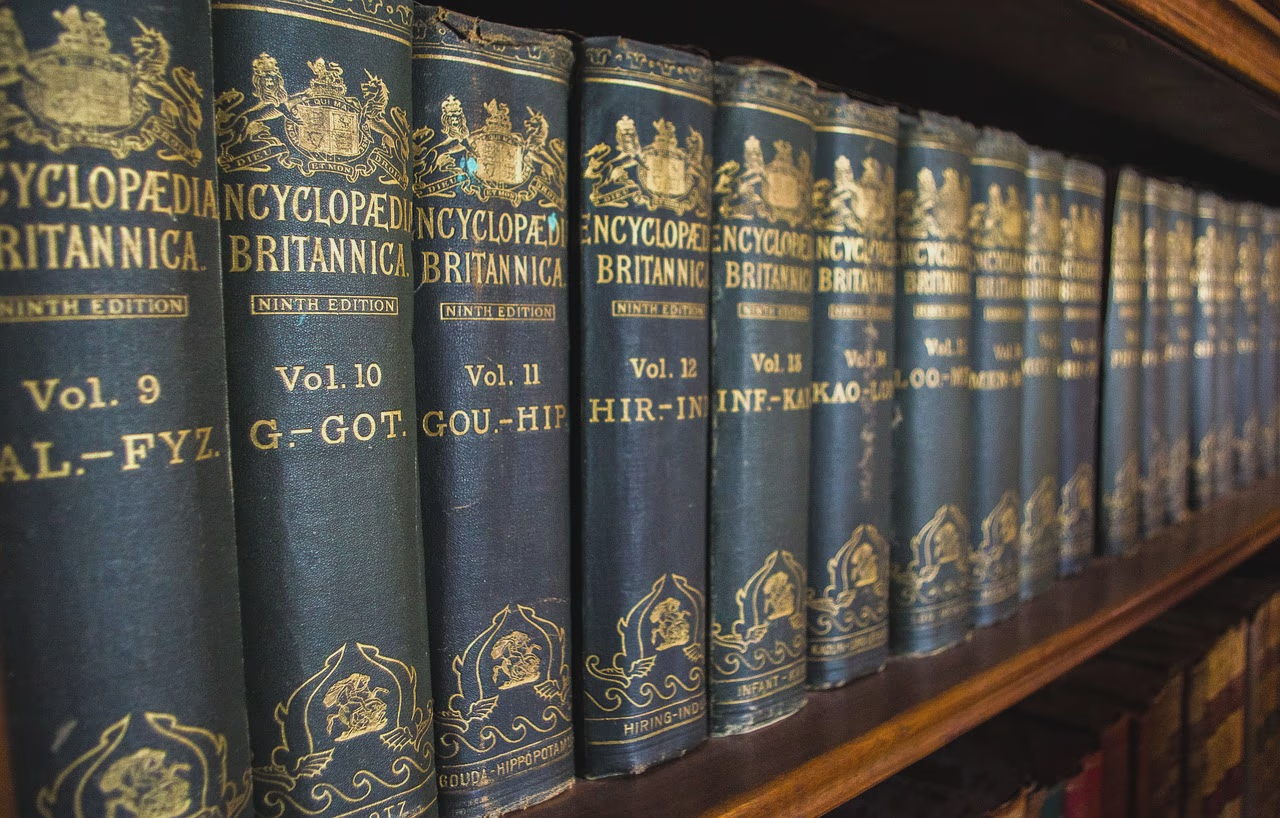
a portion of a set of "Encyclopedia Britannica" (ninth edition, dozens of volumes) arranged across a long (a very long) bookshelf. very boring and traditional.
@Kroc encarta was amazing. Like the golden record on voyager amazing. It had videos and sounds and a lot of library of congress stuff from the different eras. It came with a book. Everything did. Software and books living together in harmony. Lol. Times have changed.

 — Open image attachment 1 of 1