You mean probable cause, not “probably cause”. And what you described, evading a sobriety checkpoint, gives them reasonable suspicion, not probable cause. Reasonable suspicion amounts to articulable facts of observation that reasonably lead them to suspect you may be committing/have committed/were about to commit a crime (like apparently fleeing from a police breathalyzer check). It grants them the power to detain you for a reasonable time for the purposes of investigating to confirm or assuage their suspicion.
Probable cause requires actual evidence that a specific crime has been committed, that you committed it, and that evidence is secured. It is the standard needed to A) arrest you or issue a warrant for your arrest, and B) issue a search warrant for your property if evidence connects it to the crime in question in order to gather more evidence. (Note: They may do an inventory search of your person if arrested, and an inventory search of your vehicle if towed due to your arrest. This is limited in scope. A full search requires a warrant.)
Reasonable suspicion is a much lower standard than probable cause.

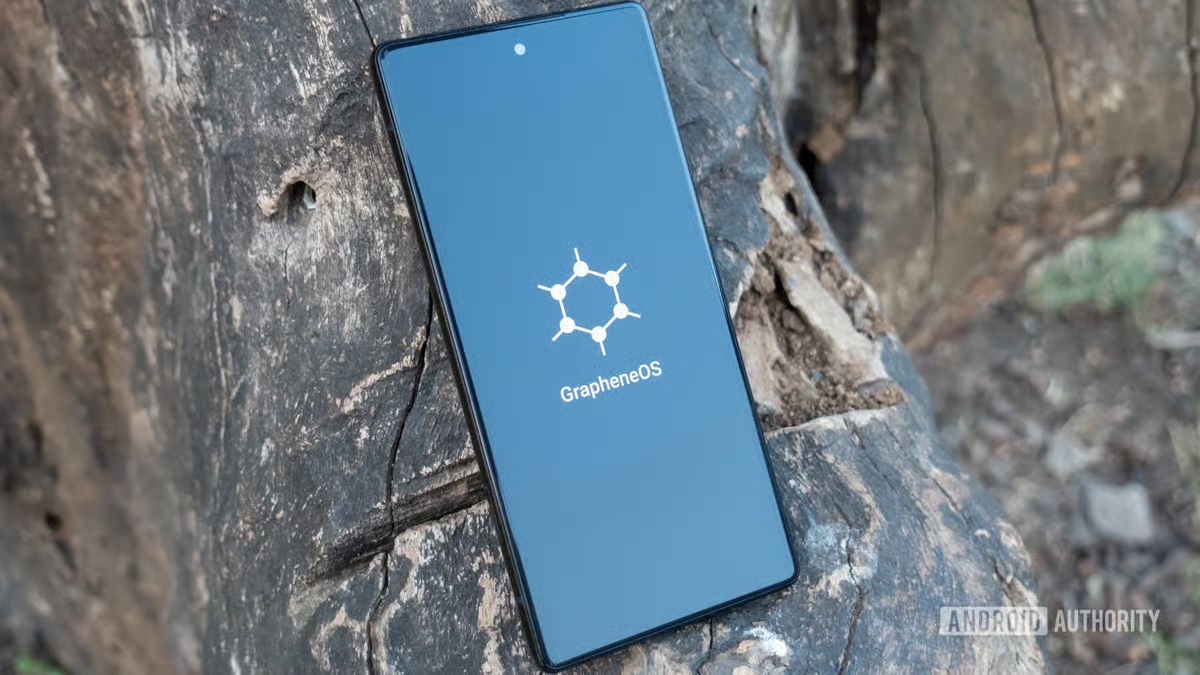 Android AuthorityGrapheneOS duress PIN could land a man in prisonA US man is being prosecuted after allegedly using a GrapheneOS duress PIN to wipe his Pixel during a border search.